Consulting experience with















Consulting experience with
Free Guide
Most people get no training in negotiation or hard conversations—ever. The moment that defines your career won't announce itself. It arrives, and you're ready or you're not.
The Moments
These are the skills nobody taught you. Build them, and the moments that used to rattle you become the ones you're known for.
Most people get no training in negotiation or hard conversations — ever.
Average age for first leadership training. The pressure starts at 25.
The moment that defines your career won't announce itself. It arrives, and you're ready or you're not.
What Changes
| Before | After |
|---|---|
| Staying quiet while others take credit | Speaking with authority and showing your value |
| Rambling under pressure | Landing your point and moving the decision your way |
| Avoiding the hard conversation | Having it early, and getting the outcome you need |
| Hoping the meeting goes well | Steering it to the result you came for |
| Fearing the big moments | Owning them |
The Pressure Check
Six situations, two minutes. Choose what you would actually do, not what you know you should do. There are no wrong answers, only honest ones.
Whatever your score: these are skills, not traits. Grab the free guide below for word-for-word scripts.
How It Works
How you see yourself. How others experience you. What runs through your head when something goes wrong, and how it makes you feel. Those answers shape everything that follows.
I design situations that target your exact patterns and take the other side: your boss, your board, the room you need to win. You run it, we sharpen it, you run it again.
The moment you used to dread finally arrives, and your pulse is steady. The words are just there, because you've been here before. The moment didn't get easier. You got better.
See the framework behind this →
You bring it. I find the exact moment it turned, and why. Then I rebuild it and put you back in, again and again, until the version of you that wins is the only one who shows up.
You bring Thursday's board meeting and the number that's off plan. We build your opening two sentences, then I push back the way your hardest board member will. By the third run, you've heard every version of the bad question.
Why Me
I spent 20 years consulting at the highest levels of Fortune 100 companies, the person brought in when the decision was pivotal and the room was tense. I've worked alongside executives, strategists, and engineers, and I speak all three languages.
I also spend part of my life leading fire crews, where composure isn't a soft skill. It's the job.
"Fire crews never face an emergency for the first time when it's real."
They train until pressure feels normal. I coach the same way, whatever your industry and whatever the room. The stakes change. The skills don't.
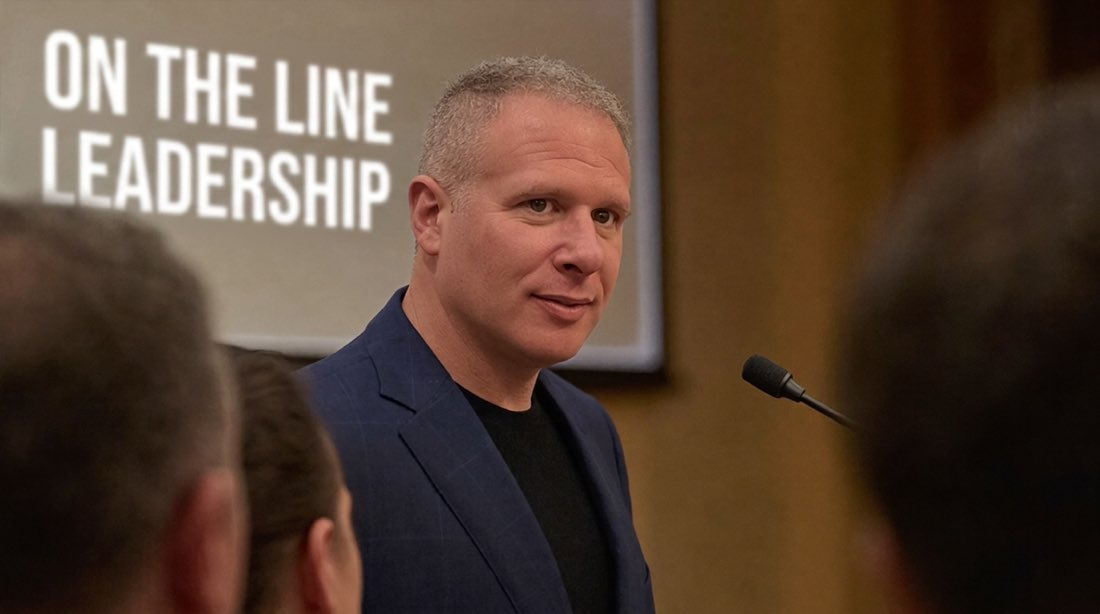

Who I Work With
Find your direction. Train for interviews before they count. Negotiate your first offer instead of just accepting it.
Speak with authority. Build allies, read the politics, and negotiate like you belong.
Know exactly what you're worth and make it impossible to overlook. Drive the decisions that matter, and turn that influence into the next role.
Tell your story so the change sounds like a plan, not a gamble. Interview outside your old lane.
I speak engineer. We build the influence, visibility, and communication that technical excellence alone won't earn you.
Shape the org. Develop the people who deliver. Make the hard calls: restructures, new product lines, the decisions no one can make for you.
Skill got you in the room. What you say there decides the rest.
Coaching
For career moments: interviews, promotions, presentations, negotiations, career changes.
Become the leader you wish you had. Org change, delivery on time and under budget, revenue growth, and people who get better because they work for you.
Not sure which fits? Start with the free session and I'll tell you honestly, including if the answer is neither. Want me to speak at your event or train your team? Ask me.
Results
·
FAQs
I will pressure-test you. That's what makes it work. But you'll be comfortable while it happens, because making people feel at ease under pressure is what I'm best at. You'll work at your edge without ever feeling judged.
You don't need one. Most life-defining moments arrive without warning: the question you didn't see coming, the opportunity that opens in a hallway conversation, the sudden crisis. We build the skills so you win those moments whether you saw them coming or not.
No. Some of the most valuable sessions start with a conversation that already happened: the meeting that went sideways, the answer you wish you'd given. We take it apart, find the pattern, and build the skill so it goes differently next time.
You leave with a plan for your situation, whether or not we work together again. If coaching makes sense, I'll say which track fits. If it doesn't, I'll say that too.
Free Guide
The interview. The promotion ask. The pushback. The credit reclaim. The salary number. The bad news. The cold room. The career pivot. Each one with an opening script, the mistake to avoid, and what to say when it goes sideways.
Free Scenario Session
Bring me one real situation: the interview, the ask, the meeting, the hard conversation. We'll work it together, free. You'll leave sharper than you arrived. No sales pitch.
"Relaxed under pressure, and he makes everyone around him calm in high-stakes moments."
General Inquiries
Looking to train a team, book a speaking engagement, or invite me to a podcast? Drop me a message below.
The Framework
Most frameworks were written by people who studied pressure from a distance. This one was built inside it: 20 years in Fortune 100 boardrooms where the wrong call cost millions, and on firegrounds where the wrong call costs far more.
You know the feeling. Someone challenges you mid-presentation and your mind goes blank. A crisis hits and you freeze, or you move too fast and make it worse. The problem isn't that you're not smart enough. It's that no one ever taught you which gear the moment needs.
Dual Acuity
For problems with a right answer: structure, money, logistics. Here, speed is the enemy.
For chaos: a crisis, a conflict, no playbook. Here, hesitation is the enemy.
Here's the trap: you already have a default gear, and you don't know it. Analytical people freeze in a crisis, still gathering data while the moment passes. Instinctive people bulldoze through problems that needed ten more minutes of thought.
Dual Acuity is the ability to read what a situation requires and pivot to it instantly. It's not a personality. It's a skill, and skills can be built.
The F.I.R.E. Cycle
"Is this a fire, or a project?"
Stop. Decide what you're looking at before you touch it.
The more urgent it feels, the more that pause matters.
"What am I ignoring?"
The most dangerous feeling under pressure is certainty. Check your read. Check your body. Breathe.
Deepwater Horizon happened because everyone skipped this step.
"Act. In the gear I chose."
A project: work the problem, like Apollo 13. A fire: trust the pattern and move, like Sully.
Say it out loud, so your team moves with you.
"How do I run this better next time?"
The moment is over. Now mine it: did your frame, your read, or your response fall short? Sharpen that one thing.
This is a step that other frameworks miss and it makes you better every time you use it.
The whole cycle in miniature, run right after a moment that tested you. Stop. Recap. Analyze. Evolve. You can do it standing in a hallway. It's the difference between a bad moment leaving a bruise or leaving a lesson.
Why This Is Different
The famous frameworks, the OODA Loop, Recognition-Primed Decision-making, are real. They explain how experts decide once they're already experts.
What they never tell you is how to read the moment and pivot fast, or how to get better after it passes. That's the gap this framework closes. It wasn't built from research papers. It was built from twenty years of watching smart people get stuck, and finding what gets them unstuck.
A Free Guide from On The Line Leadership
Scripts for the 8 conversations that decide your career.
The interview. The promotion ask. The pushback. The credit reclaim. The salary number. The bad news. The cold room. The career pivot. Each one with an opening script, the mistake to avoid, and what to say when it goes sideways.
01 · THE INTERVIEW
This question opens almost every interview, and most people answer it with a chronological resume recap. The interviewer already read your resume. What they're really asking: can you tell a clear story?
Open with:
“The short version: I'm a [what you are] who [the thing you're best at]. I got here through [one sentence of path], and I'm talking to you because [why this role, specifically].” Four sentences. Under a minute.
The mistake to avoid:
Starting at the beginning of your history and moving forward. Start with who you are today, then go back only as far as the story needs.
If they ask about a gap or a weak spot:
“That's when I learned [lesson], and it's actually why I'm strong at [skill] now.” One honest sentence, then bridge forward. No apologizing twice.
Why it works:
Interviewers decide early and spend the rest of the hour confirming that decision. A clear opening story sets the frame they'll confirm.
The delivery:
Conversational pace, like you've told this story before. If you sound like you're reciting, they'll wonder what else is rehearsed.
→ Nerves before the interview: skill 05, Staying Composed, in The Skills Nobody Taught You, free at onthelineleadership.com
02 · THE PROMOTION ASK
Most people wait to be noticed. Your manager isn't ignoring you. They're busy, and your silence reads as satisfaction.
Open with:
“I want to talk about my path to [role]. I believe I'm already doing parts of that job. I'd like to walk you through what I've delivered and hear what you'd need to see to make it official.”
The mistake to avoid:
Framing it as a favor (“I was hoping maybe...”). You're presenting evidence, not asking permission.
If they say “not yet”:
“That's fair. Can we agree on what 'yes' looks like, and put a date on the calendar to review it?” Now silence can't stall you. A date holds them to it.
Why it works:
You're moving the conversation from opinion (am I ready?) to evidence (here's what I've delivered). Evidence is harder to postpone than opinion.
The delivery:
Steady and unhurried. You're opening a planning conversation, not filing a grievance.
→ The evidence only lands if trust came first: skill 04, Building Trust, in The Skills Nobody Taught You
03 · THE PUSHBACK
Staying quiet feels safe, but leaders quietly lose respect for people who never push back. So do you.
Open with:
“Can I offer a different read on this? I might be missing something, but I want to make sure we've looked at [risk] before we commit.”
The mistake to avoid:
Arguing the person instead of the decision. Attach your pushback to the outcome you both want.
If they bristle:
“I'm on board either way. I just didn't want to be the person who saw it and said nothing.” You've registered the concern and stayed an ally.
Why it works:
“I might be missing something” lowers their defenses without lowering your point. You can be direct and deferential in the same sentence, and this is the sentence.
The delivery:
Curious, not combative. The question mark at the end of “Can I offer a different read?” should be audible.
→ Knowing when to push and when to wait: skill 01, Reading the Room, in The Skills Nobody Taught You
04 · THE CREDIT RECLAIM
Correcting it in the moment feels petty. Letting it go costs you the promotion math later. There's a middle path.
Open with (in the meeting):
“Glad this is getting traction. When I first put this together, the piece I cared most about was [detail]. Here's how I'd take it further.”
The mistake to avoid:
Litigating ownership (“actually, that was my idea”). Demonstrating depth beats claiming authorship. Only the originator can extend the idea.
Afterward, to your manager:
“Quick flag: the proposal in today's meeting came out of my work on [project]. I want to make sure that's visible when this moves forward.”
Why it works:
Anyone in the room can say “that was mine.” Only the actual author can say what comes next. Extending the idea is proof of ownership that doesn't need a court case.
The delivery:
Warm and unbothered. Any edge in your voice converts strategy into grievance in real time.
→ The longer game behind this move: skill 02, Influencing Without Authority, in The Skills Nobody Taught You
05 · THE SALARY NUMBER
This applies to your first offer out of school as much as your fifth job. The first person to blink usually loses. Your goal is to say a number and then stop talking.
Open with:
“Based on the scope of this role and what I bring to it, I'm looking for [number].” Then silence. Count to five if you have to.
The mistake to avoid:
Softening the number the moment it lands (“...but I'm flexible”). You just negotiated against yourself before they said a word.
If they say the budget is fixed:
“I understand. If base is fixed, what can move? Signing bonus, title, start date, a review in six months?” Fixed budgets are almost never fixed everywhere.
Why it works:
Silence after a number shifts the discomfort to their side of the table. Whoever relieves the discomfort first usually pays for it.
The delivery:
Flat, even tone on the number, like you're reading a fact off a page. Then the silence does the talking.
→ Holding steady through the pause: skill 05, Staying Composed, in The Skills Nobody Taught You
06 · THE BAD NEWS
Whether it's a client, your boss, or your board: bad news ages badly. Deliver it early, framed, and with a plan.
Open with:
“I want to flag something before it becomes a surprise: [the fact, in one sentence]. Here's what happened, here's what I'm doing about it, and here's when you'll hear from me next.”
The mistake to avoid:
Burying the headline under context. Say the bad thing in the first sentence. Everything before it sounds like hiding.
If they get angry:
“You're right to be frustrated. Here's the plan for the next two weeks. Hold me to it.” Don't defend the past. Anchor the future.
Why it works:
Early bad news reads as a management story. Late bad news reads as concealment, even when it isn't. The facts are the same. The timing decides which story they hear.
The delivery:
Measured and slower than feels natural. Rushing the headline reads as panic.
→ Why owning it early pays off for years: skill 04, Building Trust, in The Skills Nobody Taught You
07 · THE COLD ROOM
Silence isn't rejection. It's usually processing. But most presenters panic, speed up, and talk themselves out of the sale.
Open with (when the room goes quiet):
“I'll pause here. What's the part of this you're most skeptical about?” Naming skepticism out loud gives permission for the real conversation.
The mistake to avoid:
Filling silence with more slides. The person who is comfortable in the pause controls the room.
If a senior person challenges you:
“Good question. Here's the short answer, and I can go deeper if it's useful.” Two sentences, then stop. Rambling is how authority leaks.
Why it works:
Asking for skepticism flips the room from audience to participants. People argue with presenters. They work with partners.
The delivery:
Drop your pace instead of raising it. Slow is what comfortable sounds like.
→ Reading what the silence actually means: skill 01, Reading the Room, in The Skills Nobody Taught You
08 · THE CAREER PIVOT
Career changers tend to tell their story as a confession: “I know my background is unusual, but...” The apology teaches the listener to see a risk. Tell it as a plan instead.
Open with:
“I spent [X years] getting good at [old field]. The part I kept gravitating toward was [thread]. This move is me following that thread on purpose, and here's what I carry over: [two transferable strengths].”
The mistake to avoid:
Leading with what you lack. Lead with the thread that connects where you've been to where you're going. A pivot with a through-line reads as direction, not drift.
If they ask “why should we take the chance?”:
“You're not betting on my resume. You're betting on how fast I close gaps. Here's a gap I've already closed: [example].”
Why it works:
The listener's real fear is drift. A through-line answers that fear before it gets asked out loud.
The delivery:
Matter-of-fact, zero apology in the voice. A plan is delivered, not confessed.
→ Making the through-line land in one sentence: skill 03, Communicating with Clarity, in The Skills Nobody Taught You
One Last Thing
Reading these scripts is like reading about swimming. The words help, but your voice under pressure is a muscle, and muscles are built by reps. Bring one of these eight conversations, or the one this guide made you think of, and we'll train it together. Your first session is free.